News
Filtered By
Results
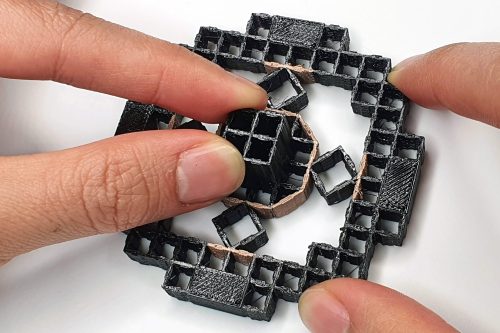
Engineers create 3D-printed objects that sense how a user is interacting with them
Advance incorporates sensing directly into an object’s material, with applications for assistive technology and “intelligent” furniture.
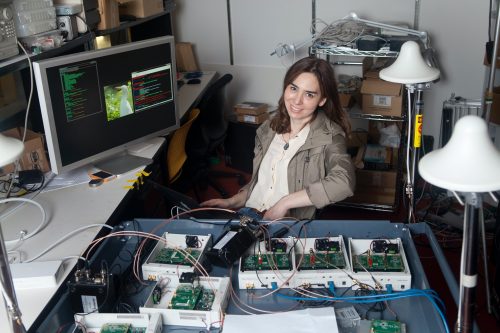
Q&A: Dina Katabi on a “smart” home with actual intelligence
MIT professor is designing the next generation of smart wireless devices that will sit in the background, gathering and interpreting data, rather than being worn on the body.
Who can bend light for cheaper internet?
ARROW, a reconfigurable fiber optics network developed at MIT, aims to take on the end of Moore’s law.

3 Questions: Peko Hosoi on the data-driven reasoning behind MIT’s Covid-19 policies for the fall
“We have not played all our cards yet,” says the associate dean of engineering and co-founder of the Isolat modeling group.
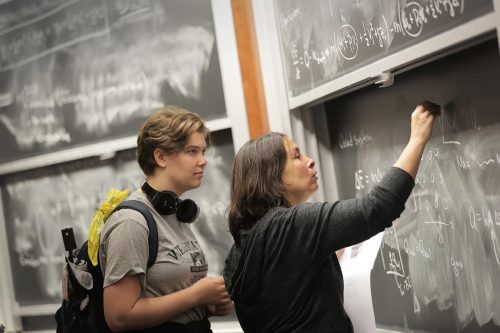
Making machines that make robots, and robots that make themselves
PhD student Martin Nisser wants to “democratize” hardware by making it easier to build and customize.

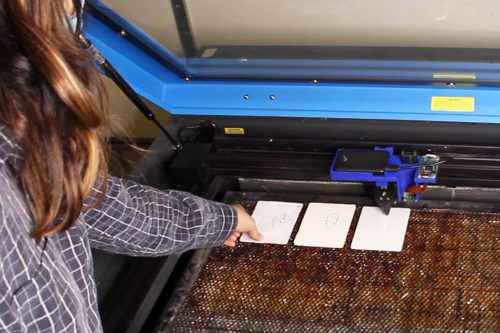
Smart laser cutter system detects different materials
“SensiCut,” a smart material-sensing platform for laser cutters, can differentiate between 30 materials commonly found in makerspaces and workshops.
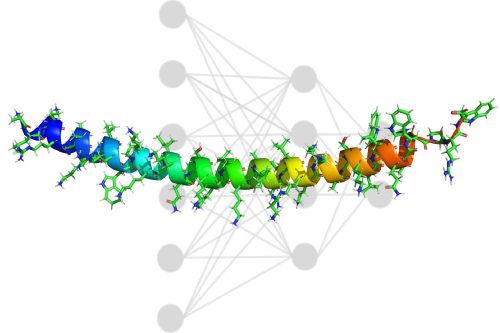
Machine learning discovers new sequences to boost drug delivery
MIT researchers employ machine learning to find powerful peptides that could improve a gene therapy drug for Duchenne muscular dystrophy.
Exact symbolic artificial intelligence for faster, better assessment of AI fairness
Probabilistic programming language allows for fast, error-free answers to hard AI problems, including fairness.

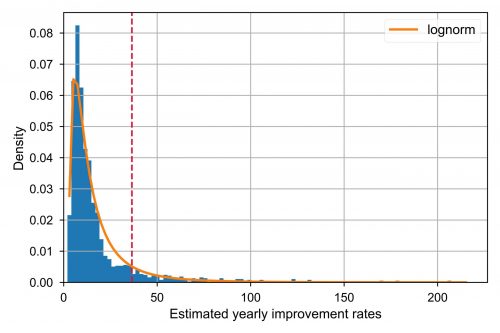
A comprehensive study of technological change
New research using patent data could help inform decision-makers by predicting which technologies are improving the fastest.
Lockdowns reveal inequities in opportunities for walking activities
Research finds Covid-19-related lockdowns led to a marked reduction in walking in lower-income areas of major metropolises.