Results
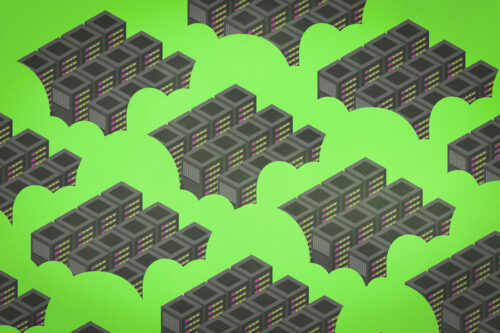
Study reveals data centers’ long-distance damage to air quality
Researchers find air pollution from data center electricity use can affect communities far from the facilities, with some of the highest impacts in the Midwest.
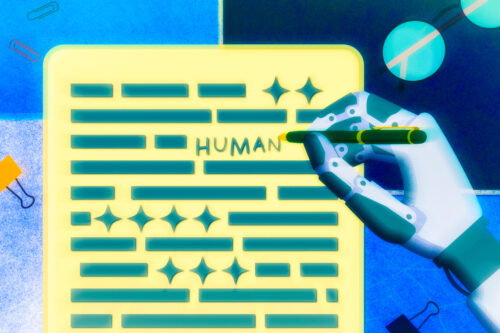
Helping AI text detectors keep up with changing conditions
A more flexible training method can make AI text detectors more robust when new models emerge or AI-generated text is disguised to appear human.
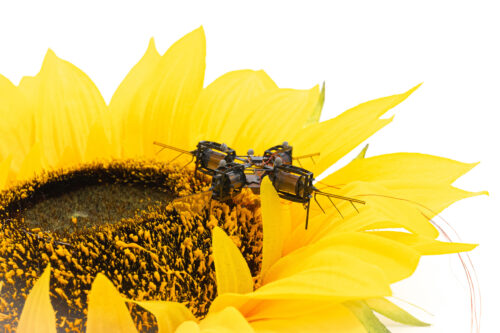
This featherweight, flying robot carries its own sensors and computers
The speedy microrobot flies without an attached motion-capture system, moving it closer to applications like agriculture or industrial surveillance.
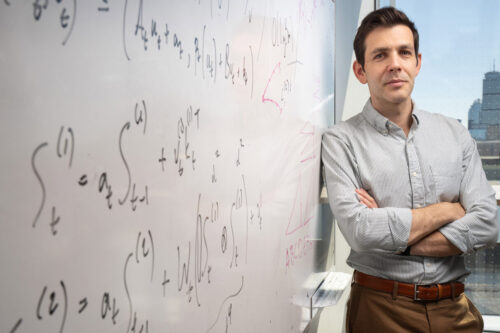
Learning the language of machine learning
By studying the computational foundations of language learning, Associate Professor Jacob Andreas builds intelligent systems that can communicate effectively with humans.
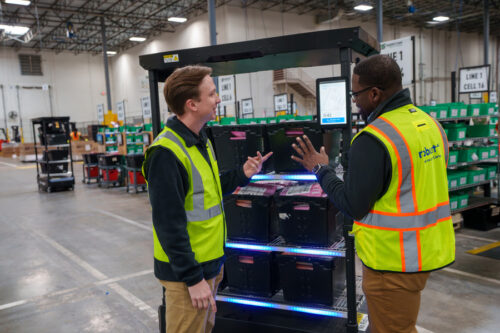
Helping robots fit into the human workplace
Founded by Anthony Jules ’92, SM ’92 and Professor Emeritus Rodney Brooks, Robust AI’s robots are designed to collaborate with humans in factories and warehouses.
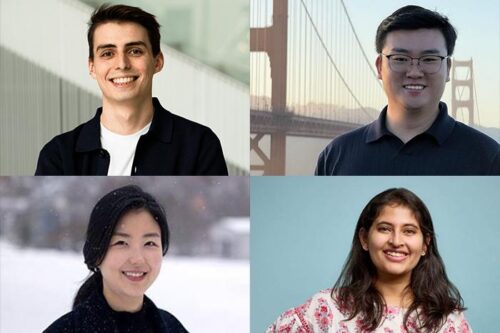
The MIT-HPI AI & Creativity Hub welcomes first cohort of Hasso Plattner fellows
Four fellows working at the intersection of artificial intelligence, creativity, and design were selected from MIT’s School of Architecture and Planning and Schwarzman College of Computing.
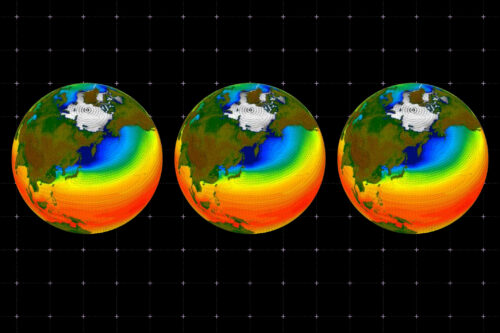
New research could lead to faster, trustworthy AI models for climate prediction
MIT scientists developed a training method to generate models that simulate the effects of human activities on climate much more quickly than other approaches.
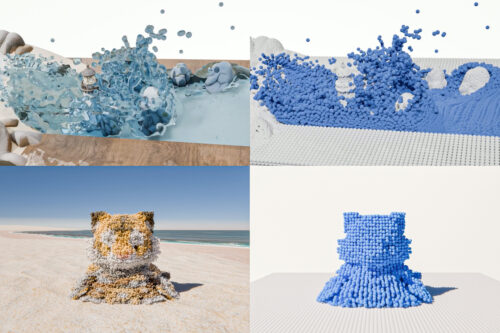
A single AI model simulates the behavior of many substances, from sliding sand to folding proteins
By learning how matter moves, the WorldParticle system could assist with developing soft robots, medicines, and more.
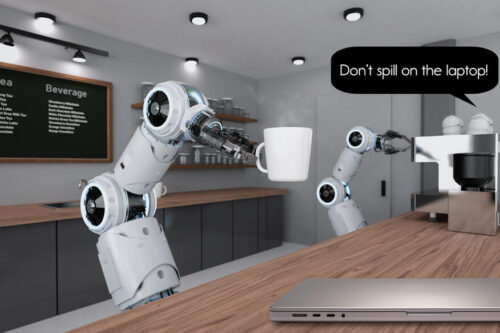
AI-assisted learning platform helps robots reason beyond literal commands
The new approach, known as FLEX, could lead to more intuitive, interactive household and assistive robots.
MIT Schwarzman College of Computing welcomes seven new faculty for 2026
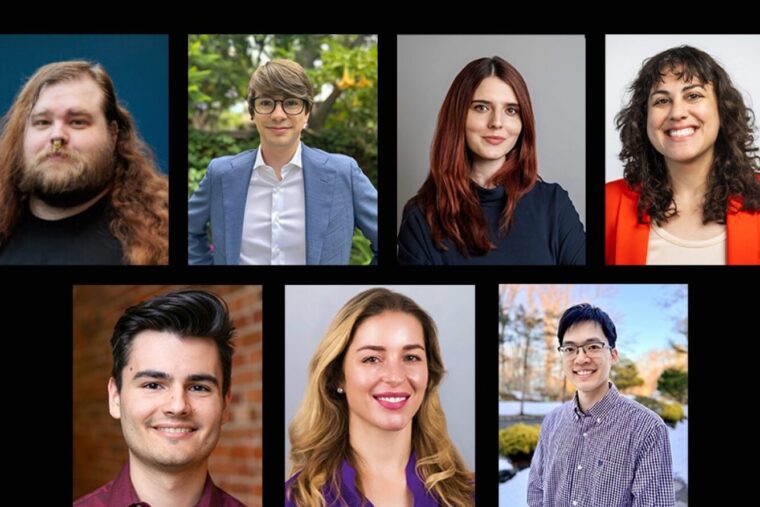
Faculty members serve in core computing and shared roles, bringing a wide range of experiences and areas of expertise to the MIT community.