News
Filtered By
Results
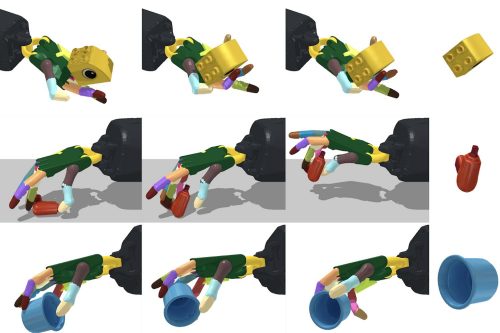
Dexterous robotic hands manipulate thousands of objects with ease
Model-free framework reorients over 2,000 diverse objects with a hand facing both upward and downward, in a step toward more human-like manipulation.
Giving robots social skills
A new machine-learning system helps robots understand and perform certain social interactions.
Toward speech recognition for uncommon spoken languages
Reducing the complexity of a powerful machine-learning model may help level the playing field for automatic speech-recognition around the world.

Avoiding shortcut solutions in artificial intelligence
A new method forces a machine learning model to focus on more data when learning a task, which leads to more reliable predictions.

Making machine learning more useful to high-stakes decision makers
A visual analytics tool helps child welfare specialists understand machine learning predictions that can assist them in screening cases.

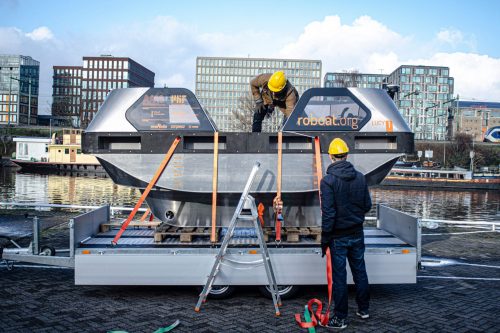
One autonomous taxi, please
Self-driving Roboats, developed at MIT, set sea in Amsterdam canals.
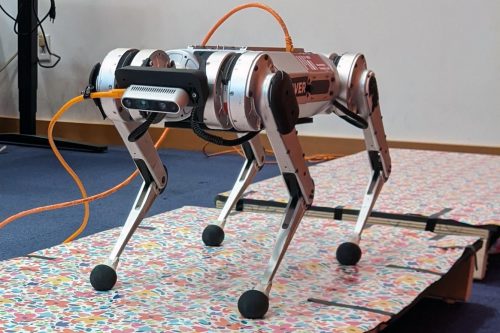
One giant leap for the mini cheetah
A new control system, demonstrated using MIT’s robotic mini cheetah, enables four-legged robots to jump across uneven terrain in real-time.
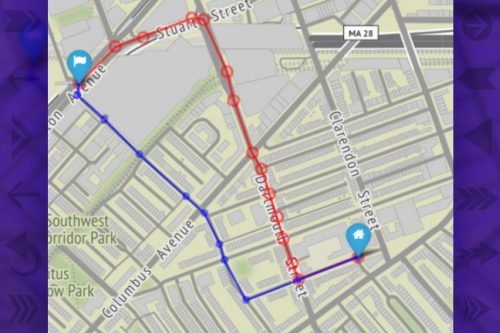
How the brain navigates cities
We seem to be wired to calculate not the shortest path but the “pointiest” one, facing us toward our destination as much as possible.
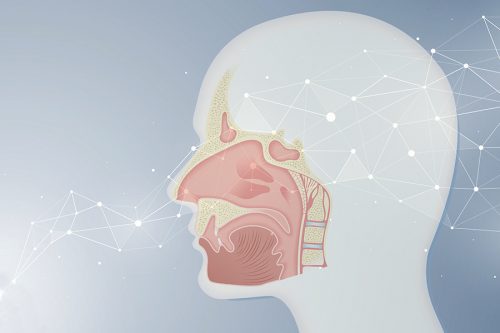
Artificial networks learn to smell like the brain
When asked to classify odors, artificial neural networks adopt a structure that closely resembles that of the brain’s olfactory circuitry.
These neural networks know what they’re doing
A certain type of artificial intelligence agent can learn the cause-and-effect basis of a navigation task during training.