News
Filtered By
Results
When should someone trust an AI assistant’s predictions?
Researchers have created a method to help workers collaborate with artificial intelligence systems.

How well do explanation methods for machine-learning models work?
Researchers develop a way to test whether popular methods for understanding machine-learning models are working correctly.
Tackling hard computational problems
David Gamarnik has developed a new tool, the Overlap Gap Property, for understanding computational problems that appear intractable.

Q&A: Cathy Wu on developing algorithms to safely integrate robots into our world
Assistant professor of civil engineering describes her career in robotics as well as challenges and promises of human-robot interactions.

Systems scientists find clues to why false news snowballs on social media
A new model shows that the more polarized and hyperconnected a social network is, the more likely misinformation will spread.

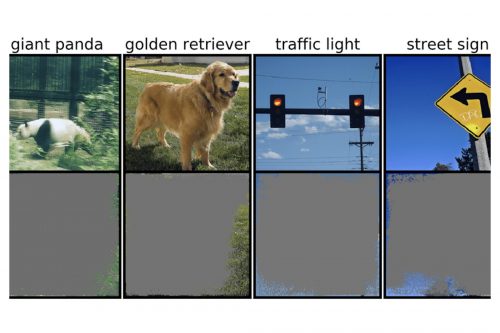
Nonsense can make sense to machine-learning models
Deep-learning methods confidently recognize images that are nonsense, a potential problem for medical and autonomous-driving decisions.
Machine learning speeds up vehicle routing
Strategy accelerates the best algorithmic solvers for large sets of cities.

Machine-learning system flags remedies that might do more harm than good
The system could help physicians select the least risky treatments in urgent situations, such as treating sepsis.

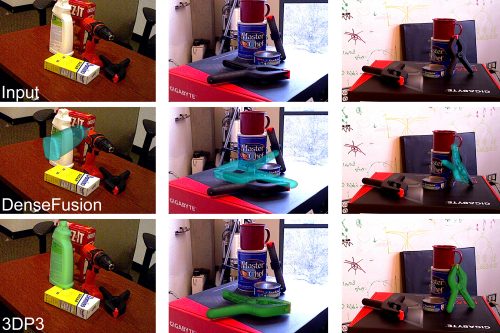
Machines that see the world more like humans do
A new “common-sense” approach to computer vision enables artificial intelligence that interprets scenes more accurately than other systems do.
EECS graduate women’s research summit increases research visibility and strengthens community
Summit features the latest research of women and other underrepresented genders in MIT EECS, along with an opportunity to network, share experiences, and learn.