News
Filtered By
Results
The staggering ecological impacts of computation and the cloud
Anthropologist Steven Gonzalez Monserrate draws on five years of research and ethnographic fieldwork in server farms to illustrate some of the diverse environmental impacts of data storage.

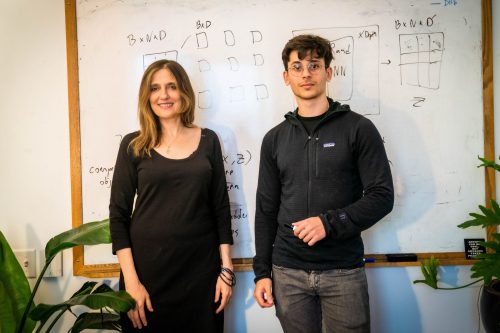
A new programming language for high-performance computers
With a tensor language prototype, “speed and correctness do not have to compete ... they can go together, hand-in-hand.”

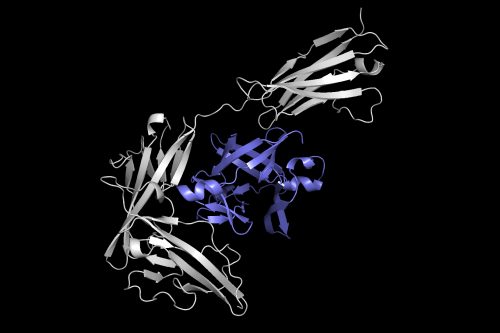
Artificial intelligence system rapidly predicts how two proteins will attach
The machine-learning model could help scientists speed the development of new medicines.
The downside of machine learning in health care
Assistant Professor Marzyeh Ghassemi explores how hidden biases in medical data could compromise artificial intelligence approaches.
Invisible machine-readable labels that identify and track objects
An MIT team develops 3D-printed tags to classify and store data on physical objects.

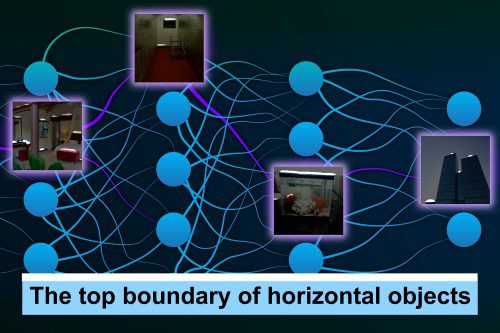
Demystifying machine-learning systems
A new method automatically describes, in natural language, what the individual components of a neural network do.
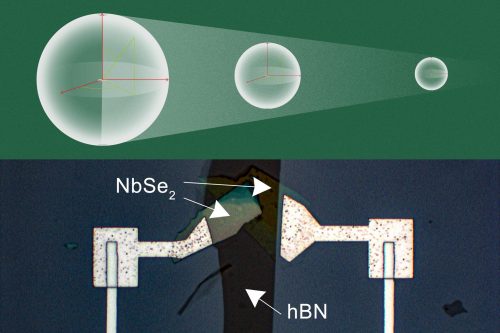
Tiny materials lead to a big advance in quantum computing
Using ultrathin materials to reduce the size of superconducting qubits may pave the way for personal-sized quantum devices.
Deploying machine learning to improve mental health
MIT scientist Rosalind Picard collaborates with clinicians to develop tools for mental health care delivery.

A new language for quantum computing
Twist is an MIT-developed programming language that can describe and verify which pieces of data are entangled to prevent bugs in a quantum program.

Seeing into the future: Personalized cancer screening with artificial intelligence
Scientists demonstrate that AI-risk models, paired with AI-designed screening policies, can offer significant and equitable improvements to cancer screening.