News
Filtered By
Results
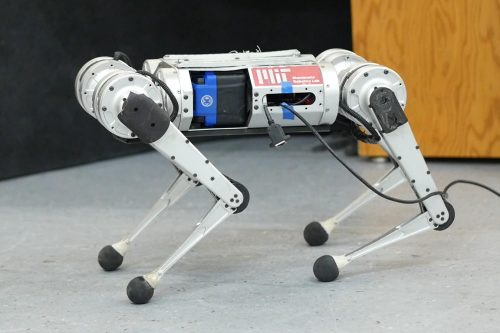
3 Questions: How the MIT mini cheetah learns to run
CSAIL scientists came up with a learning pipeline for the four-legged robot that learns to run entirely by trial and error in simulation.
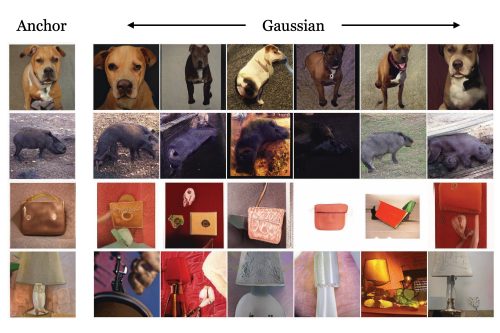
When it comes to AI, can we ditch the datasets?
A machine-learning model for image classification that’s trained using synthetic data can rival one trained on the real thing, a study shows.
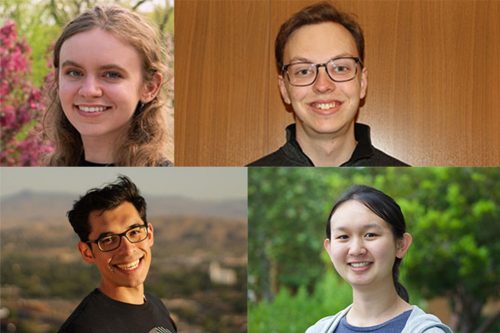
Unlocking new doors to artificial intelligence
MEng graduate students engage with IBM to develop their research skills and solutions to real-world problems.
3 Questions: Fotini Christia on racial equity and data science
A new MIT-wide effort launched by the Institute for Data, Systems, and Society uses social science and computation to address systemic racism.

How to help humans understand robots
Theories from cognitive science and psychology could help humans learn to collaborate with robots faster and more effectively, scientists find.

Injecting fairness into machine-learning models
A new technique boosts models’ ability to reduce bias, even if the dataset used to train the model is unbalanced.
Deep-learning technique predicts clinical treatment outcomes
A new methodology simulates counterfactual, time-varying, and dynamic treatment strategies, allowing doctors to choose the best course of action.

A security technique to fool would-be cyber attackers
Researchers demonstrate a method that safeguards a computer program’s secret information while enabling faster computation.

Robotic cubes shapeshift in outer space
Self-reconfiguring ElectroVoxels use embedded electromagnets to test applications for space exploration.

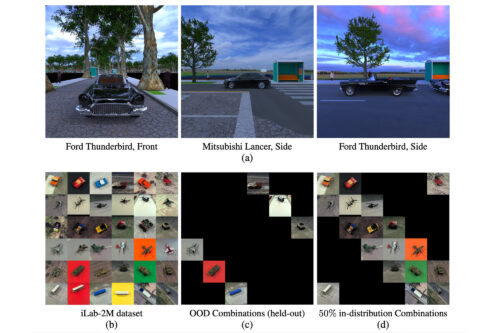
Can machine-learning models overcome biased datasets?
A model’s ability to generalize is influenced by both the diversity of the data and the way the model is trained, researchers report.