News
Results
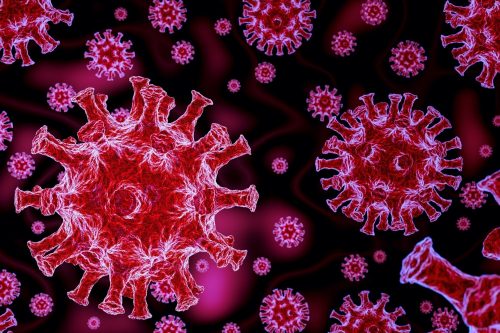
Deep learning helps predict new drug combinations to fight Covid-19
Neural network identifies synergistic drug blends for treating viruses like SARS-CoV-2.
Toward a smarter electronic health record
An AI-enhanced system enables doctors to spend less time searching for clinical information and more time treating patients.

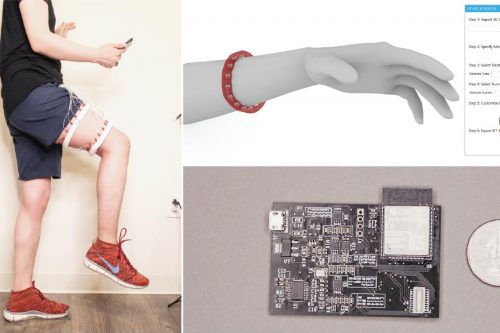
Making health and motion sensing devices more personal
An electrical impedance tomography toolkit lets users design and fabricate health and motion sensing devices.
How quickly do algorithms improve?
MIT scientists show how fast algorithms are improving across a broad range of examples, demonstrating their critical importance in advancing computing.
Making self-driving cars safer through keener robot perception
PhD student Heng Yang is developing algorithms to help driverless vehicles quickly and accurately assess their surroundings.
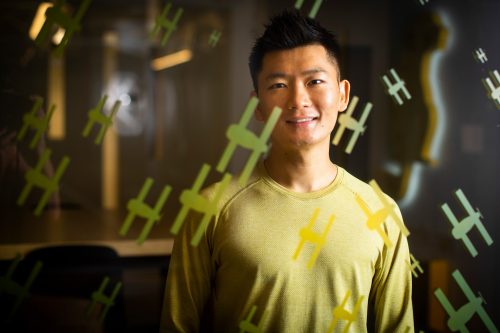
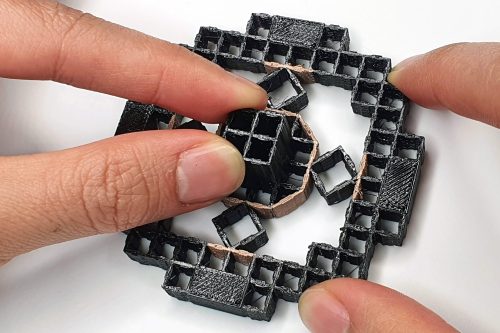
Engineers create 3D-printed objects that sense how a user is interacting with them
Advance incorporates sensing directly into an object’s material, with applications for assistive technology and “intelligent” furniture.
Connor Coley joins the Schwarzman College of Computing
Coley appointed to a shared position between ChemE and the AI+D faculty of EECS.

Q&A: Dina Katabi on a “smart” home with actual intelligence
MIT professor is designing the next generation of smart wireless devices that will sit in the background, gathering and interpreting data, rather than being worn on the body.
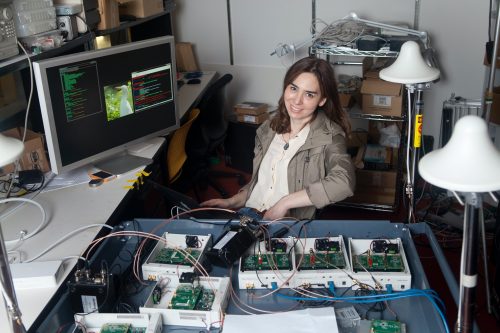
Who can bend light for cheaper internet?
ARROW, a reconfigurable fiber optics network developed at MIT, aims to take on the end of Moore’s law.

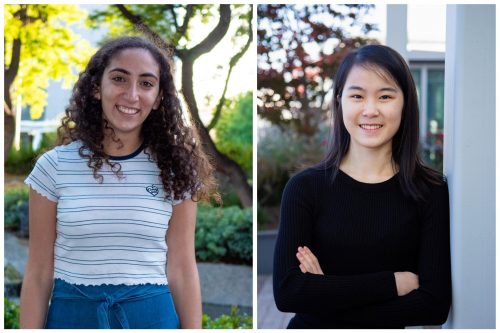
Aziza Almanakly, Belinda Li receive Clare Boothe Luce Graduate Fellowship for Women
Rigorous selection process for prestigious fellowship took into account students’ outstanding track record of scientific achievement and inquiry, as well as contributions to the STEM community.