News
Results
How artificial intelligence can help combat systemic racism
MLK Visiting Professor S. Craig Watkins looks beyond algorithm bias to an AI future where models more effectively deal with systemic inequality.
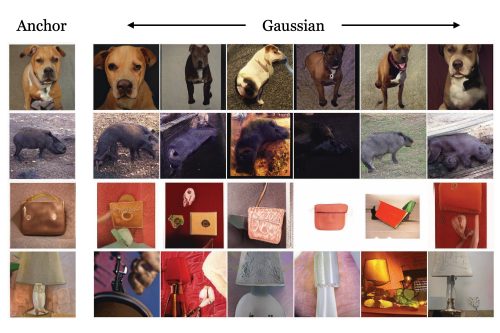
When it comes to AI, can we ditch the datasets?
A machine-learning model for image classification that’s trained using synthetic data can rival one trained on the real thing, a study shows.
Unlocking new doors to artificial intelligence
MEng graduate students engage with IBM to develop their research skills and solutions to real-world problems.

3 Questions: Fotini Christia on racial equity and data science
A new MIT-wide effort launched by the Institute for Data, Systems, and Society uses social science and computation to address systemic racism.

How to help humans understand robots
Theories from cognitive science and psychology could help humans learn to collaborate with robots faster and more effectively, scientists find.

A new resource for teaching responsible technology development
The Social and Ethical Responsibilities of Computing publishes a collection of original pedagogical materials developed for instructional use on MIT OpenCourseWare.
Injecting fairness into machine-learning models
A new technique boosts models’ ability to reduce bias, even if the dataset used to train the model is unbalanced.
Four from MIT named Meta Fellows for 2022
The honorees include four MIT graduate students in electrical engineering and computer science, economics, and media arts and sciences.

Deep-learning technique predicts clinical treatment outcomes
A new methodology simulates counterfactual, time-varying, and dynamic treatment strategies, allowing doctors to choose the best course of action.

A security technique to fool would-be cyber attackers
Researchers demonstrate a method that safeguards a computer program’s secret information while enabling faster computation.