News
Results
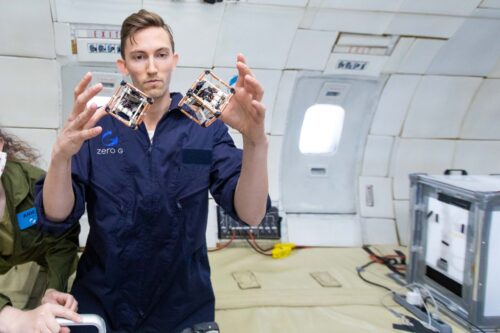
Robotic cubes shapeshift in outer space
Self-reconfiguring ElectroVoxels use embedded electromagnets to test applications for space exploration.
Q&A: What makes a bestselling textbook?
The millionth sale of “Introduction to Algorithms” prompts Charles Leiserson and Tom Corman look back at the creation and legacy of the foundational textbook, now in its fourth edition.
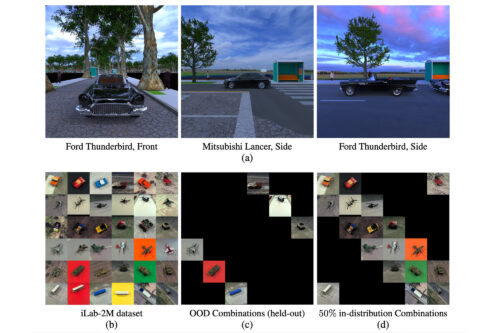
Can machine-learning models overcome biased datasets?
A model’s ability to generalize is influenced by both the diversity of the data and the way the model is trained, researchers report.
The staggering ecological impacts of computation and the cloud
Anthropologist Steven Gonzalez Monserrate draws on five years of research and ethnographic fieldwork in server farms to illustrate some of the diverse environmental impacts of data storage.

A new programming language for high-performance computers
With a tensor language prototype, “speed and correctness do not have to compete ... they can go together, hand-in-hand.”

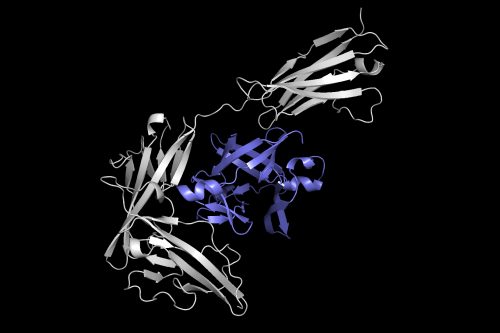
Artificial intelligence system rapidly predicts how two proteins will attach
The machine-learning model could help scientists speed the development of new medicines.
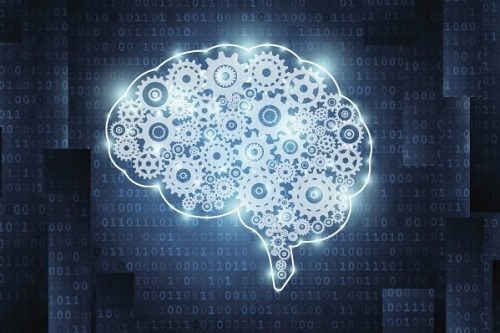
The downside of machine learning in health care
Assistant Professor Marzyeh Ghassemi explores how hidden biases in medical data could compromise artificial intelligence approaches.
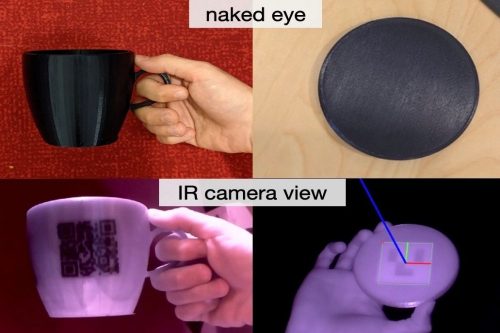
Invisible machine-readable labels that identify and track objects
An MIT team develops 3D-printed tags to classify and store data on physical objects.
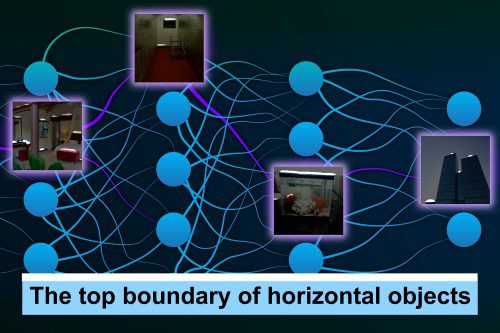
Demystifying machine-learning systems
A new method automatically describes, in natural language, what the individual components of a neural network do.
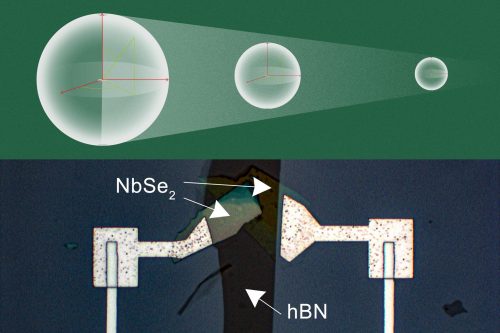
Tiny materials lead to a big advance in quantum computing
Using ultrathin materials to reduce the size of superconducting qubits may pave the way for personal-sized quantum devices.