News
Results
3 Questions: Designing software for research ethics
PhD candidate Jonathan Zong found a lack of systems that earn and maintain public trust in large-scale online research — so he made one himself.
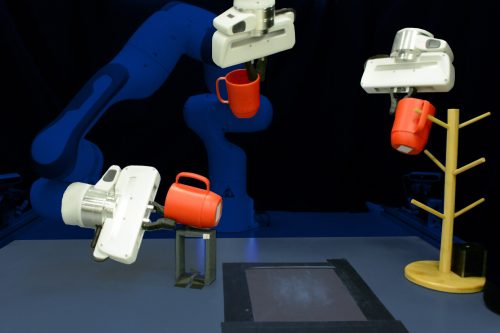
An easier way to teach robots new skills
Researchers have developed a technique that enables a robot to learn a new pick-and-place task with only a handful of human demonstrations.
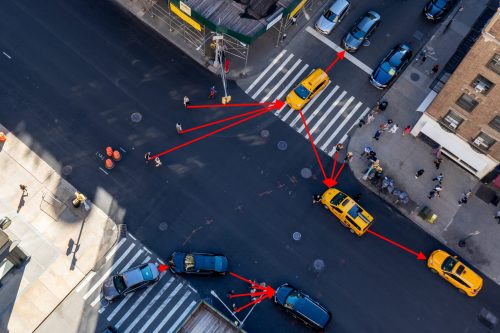
Anticipating others’ behavior on the road
A new machine-learning system may someday help driverless cars predict the next moves of nearby drivers, cyclists, and pedestrians in real-time.
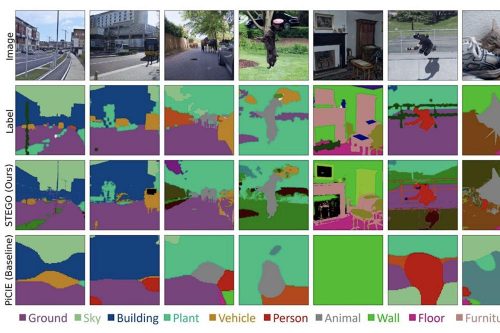
A new state of the art for unsupervised vision
MIT CSAIL scientists created an algorithm to solve one of the hardest tasks in computer vision: assigning a label to every pixel in the world, without human supervision.
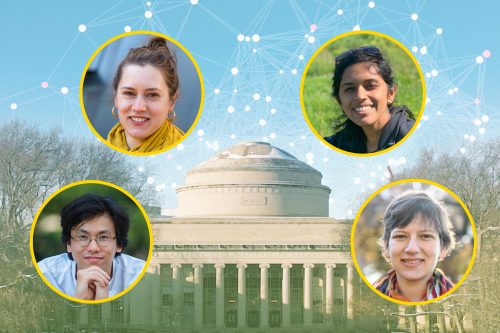
Zoë Marschner and Charlotte Wickert named 2022-23 Goldwater Scholars
MIT undergraduates whose research areas explore artificial intelligence, space, and climate change honored for their academic achievements.

Learning to think critically about machine learning
A multidisciplinary team of graduate students helps infuse ethical computing content into MIT’s largest machine learning course.
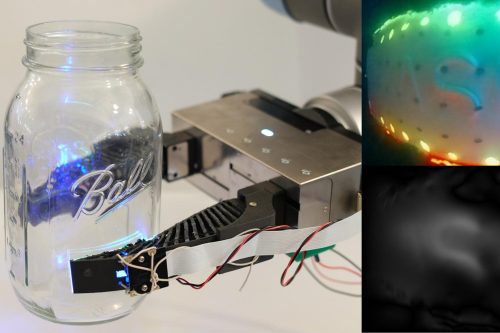
A flexible way to grab items with feeling
MIT engineers Edward Adelson and Sandra Liu duo develop a robotic gripper with rich sensory capabilities.
Computing our climate future
To put global climate modeling at the fingertips of local decision-makers, some scientists think it’s time to rethink the system from scratch.
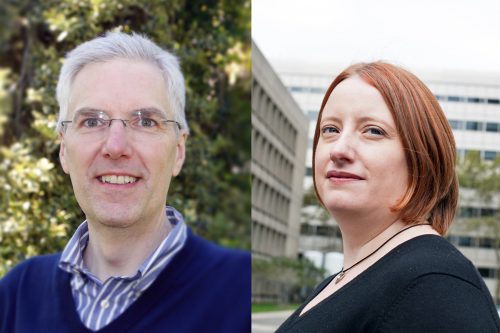
Does this artificial intelligence think like a human?
A new technique compares the reasoning of a machine-learning model to that of a human, so the user can see patterns in the model’s behavior.
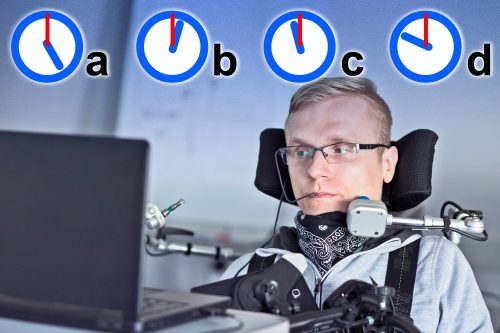
System helps severely motor-impaired individuals type more quickly and accurately
For individuals who communicate using a single switch, a new interface learns how they make selections, and then self-adjusts accordingly.