News
Results
Hallucinating to better text translation
A machine-learning method imagines what a sentence visually looks like, to situate and ground its semantics in the real world, improving translation, like humans can.

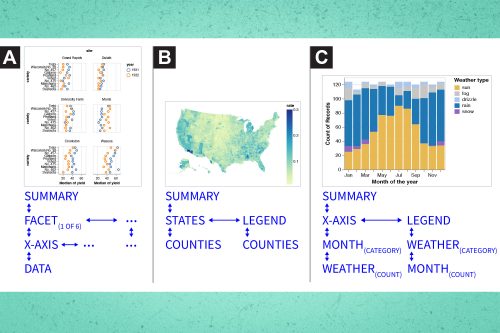
Making data visualization more accessible for blind and low-vision individuals
Researchers have created prototypes that enable screen-reader users to quickly and easily navigate through multiple levels of information in an online chart.
In bias we trust?
Explanation methods that help users determine whether to trust machine-learning model predictions can be less accurate for disadvantaged subgroups, a new study finds.
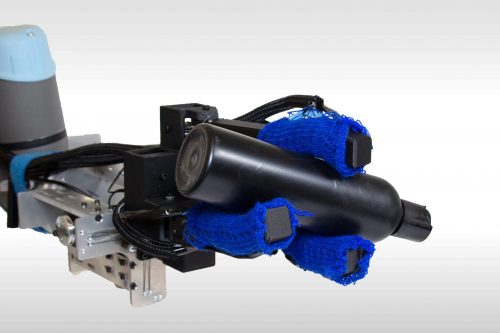
A helping hand for robotic manipulator design
With modular components and an easy-to-use 3D interface, this interactive design pipeline enables anyone to create their own customized robotic hand.
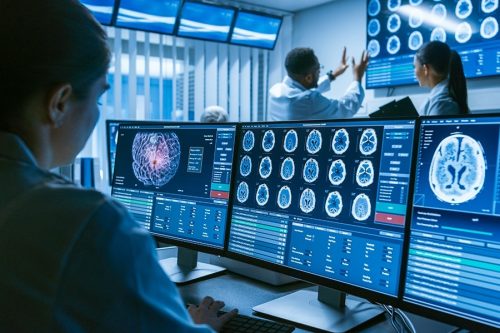
Artificial intelligence predicts patients’ race from their medical images
Study shows AI can identify self-reported race from medical images that contain no indications of race detectable by human experts.
Charting a safe course through a highly uncertain environment
A new technique can safely guide an autonomous robot without knowledge of its environmental conditions or the size, shape, or location of obstacles it might encounter.

Living better with algorithms
Graduate student Sarah Cen explores the interplay between humans and artificial intelligence systems, to help build accountability and trust.
On the road to cleaner, greener, and faster driving
Researchers use artificial intelligence to help autonomous vehicles avoid idling at red lights.

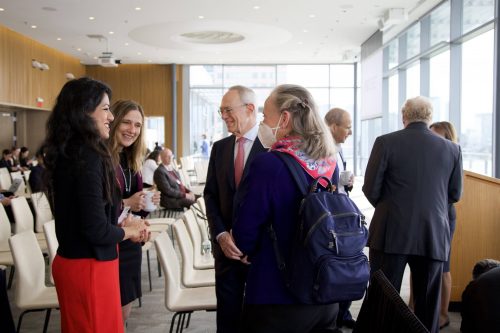
Can artificial intelligence overcome the challenges of the health care system?
MIT and Mass General Brigham researchers and physicians connect in person to bring AI into mainstream health care.
Three from MIT elected to the National Academy of Sciences for 2022
Faculty members Angela Belcher, Pablo Jarillo-Herrero, and Ronitt Rubinfeld elected by peers for outstanding contributions to research.