News
Filtered By
Results
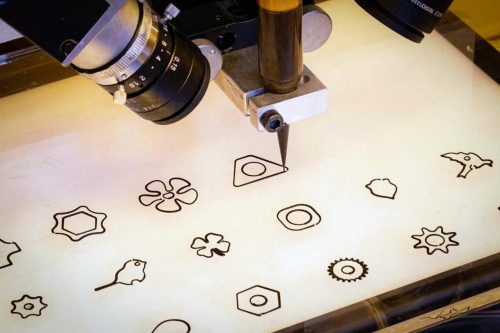
Using artificial intelligence to control digital manufacturing
Researchers train a machine-learning model to monitor and adjust the 3D printing process to correct errors in real-time.
New hardware offers faster computation for artificial intelligence, with much less energy
Engineers working on “analog deep learning” have found a way to propel protons through solids at unprecedented speeds.

Explained: How to tell if artificial intelligence is working the way we want it to
“Interpretability methods” seek to shed light on how machine-learning models make predictions, but researchers say to proceed with caution.

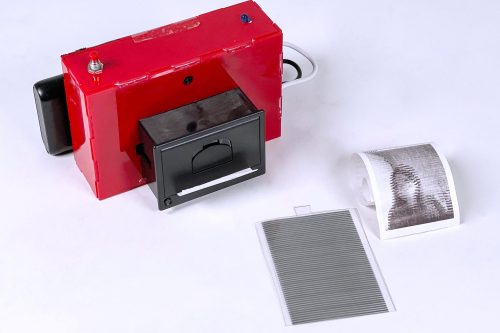
A new twist on old-school animation
MIT researchers create KineCAM, an instant camera that yields images that appear to move.
A technique to improve both fairness and accuracy in artificial intelligence
Methods that make a machine-learning model’s predictions more accurate overall can reduce accuracy for underrepresented subgroups. A new approach can help.

Teaching AI to ask clinical questions
Researchers have made strides toward machine-learning models that can help doctors more efficiently find information in a patient’s health record.

3 Questions: Teaching computational maker skills through gaming
With FabO, PhD student Dishita Turakhia wants to empower students to learn digital fabrication by making video game objects and characters come alive.

Amazon and MIT announce Science Hub gift project awards
Four MIT professors are the recipients of the inaugural call for research projects.

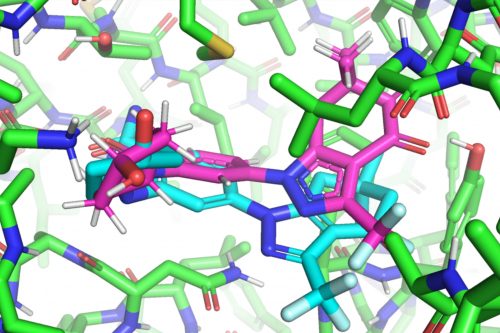
Artificial intelligence model finds potential drug molecules a thousand times faster
A geometric deep-learning model is faster and more accurate than state-of-the-art computational models, reducing the chances and costs of drug trial failures.
A programming language for hardware accelerators
Researchers created Exo for writing high-performance code on hardware accelerators.