News
Filtered By
Results
Building explainability into the components of machine-learning models
Researchers develop tools to help data scientists make the features used in machine-learning models more understandable for end users.

Q&A: Neil Thompson on computing power and innovation
Rapid increases in the speed and power of microchips have fueled innovation in many industries, but the future trajectory of that incredible progress may be in jeopardy.

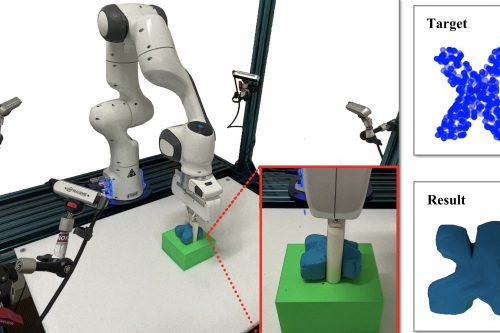
Robots play with play dough
A new system lets robots manipulate soft, deformable material into various shapes from visual inputs, which could one day enable better home assistants.
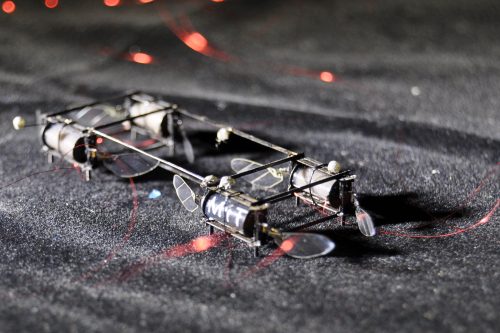
Robotic lightning bugs take flight
Inspired by fireflies, researchers create insect-scale robots that can emit light when they fly, which enables motion tracking and communication.
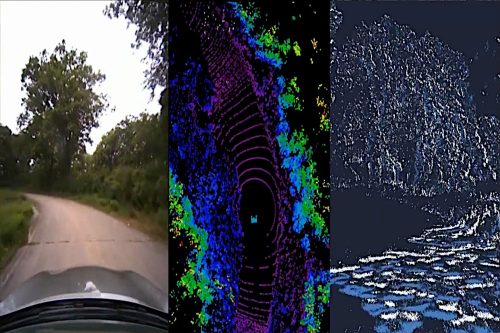
Researchers release open-source photorealistic simulator for autonomous driving
MIT scientists unveil the first open-source simulation engine capable of constructing realistic environments for deployable training and testing of autonomous vehicles.
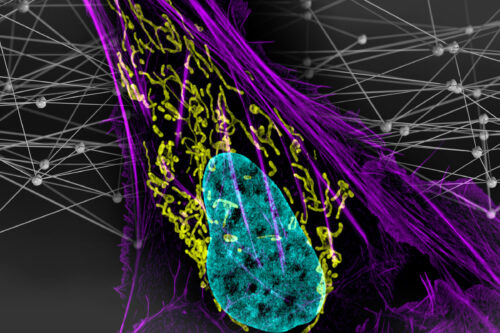
New model helps identify mutations that drive cancer
The system rapidly scans the genome of cancer cells, could help researchers find targets for new drugs.
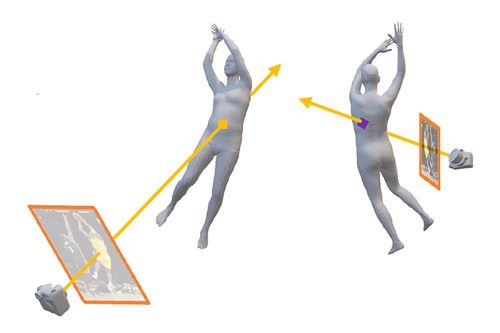
Seeing the whole from some of the parts
A new technique in computer vision may enhance our three-dimensional understanding of two-dimensional images.
Companies use MIT research to identify and respond to supply chain risks
Pinpointing risks can also help businesses save money as they become more resilient.

Researchers discover a new hardware vulnerability in the Apple M1 chip
CSAIL scientists’ novel hardware attack against the Apple M1 chip defeats the last line of security while leaving no trace.

Keeping web-browsing data safe from hackers
Studying a powerful type of cyberattack, researchers identified a flaw in how it’s been analyzed before, then developed new techniques that stop it in its tracks.