News
Filtered By
Results
Solving a machine-learning mystery
A new study shows how large language models like GPT-3 can learn a new task from just a few examples, without the need for any new training data.

Automating the math for decision-making under uncertainty
A new tool brings the benefits of AI programming to a much broader class of problems.

Making computer science research more accessible in India
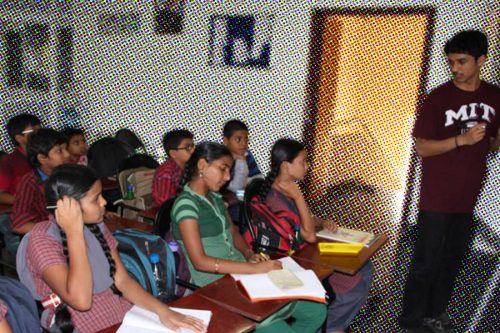
Passionate about creating educational opportunities in India, PhD student Siddhartha Jayanti recently explored multiprocessor speed limits, in a paper written in the Indian language Telugu.
When should data scientists try a new technique?
A new measure can help scientists decide which estimation method to use when modeling a particular data problem.

Sensing with purpose
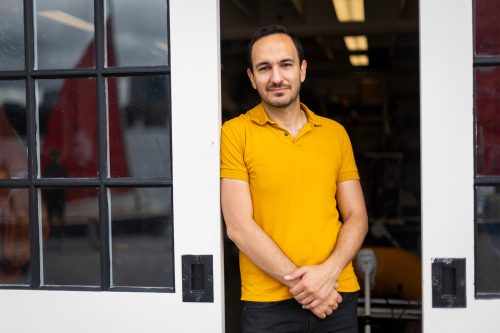
Fadel Adib uses wireless technologies to sense the world in new ways, taking aim at sweeping problems such as food insecurity, climate change, and access to health care.
Putting clear bounds on uncertainty
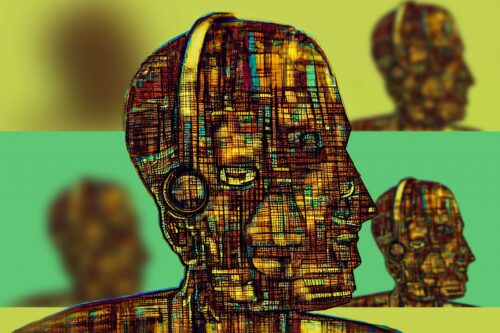
Computer scientists want to know the exact limits in our ability to clean up, and reconstruct, partly blurred images.
MIT researchers develop an AI model that can detect future lung cancer risk
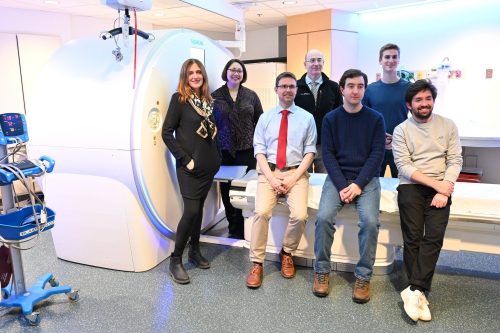
Deep-learning model takes a personalized approach to assessing each patient’s risk of lung cancer based on CT scans.
Computers that power self-driving cars could be a huge driver of global carbon emissions
Study shows that if autonomous vehicles are widely adopted, hardware efficiency will need to advance rapidly to keep computing-related emissions in check.

Unpacking the “black box” to build better AI models
Stefanie Jegelka seeks to understand how machine-learning models behave, to help researchers build more robust models for applications in biology, computer vision, optimization, and more.
Simulating discrimination in virtual reality
The role-playing game “On the Plane” simulates xenophobia to foster greater understanding and reflection via virtual experiences.