News
Filtered By
Results
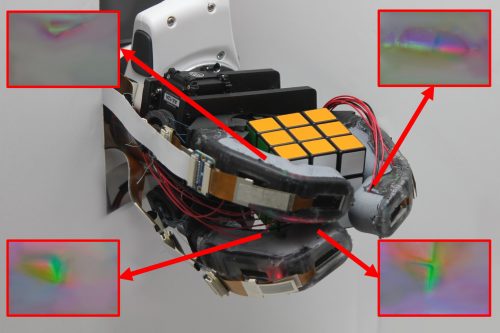
Robotic hand can identify objects with just one grasp
The three-fingered robotic gripper can “feel” with great sensitivity along the full length of each finger – not just at the tips.
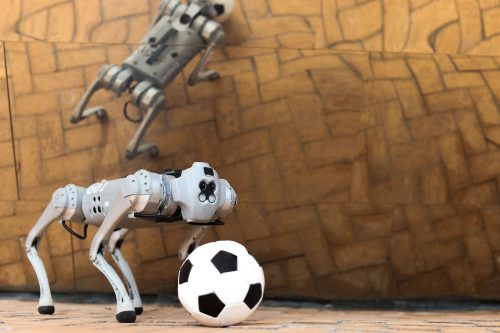
A four-legged robotic system for playing soccer on various terrains
"DribbleBot" can maneuver a soccer ball on landscapes such as sand, gravel, mud, and snow, using reinforcement learning to adapt to varying ball dynamics.
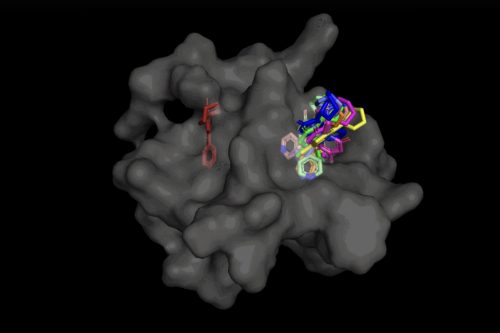
Speeding up drug discovery with diffusion generative models
MIT researchers built DiffDock, a model that may one day be able to find new drugs faster than traditional methods and reduce the potential for adverse side effects.
A method for designing neural networks optimally suited for certain tasks
With the right building blocks, machine-learning models can more accurately perform tasks like fraud detection or spam filtering.

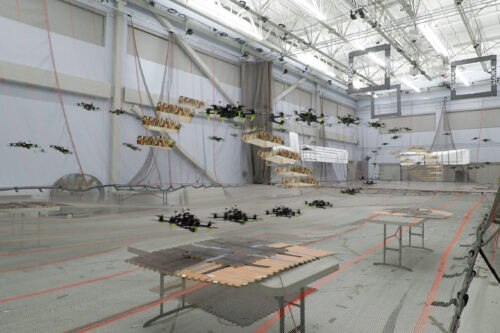
New algorithm keeps drones from colliding in midair
Researchers create a trajectory-planning system that enables drones working together in the same airspace to always choose a safe path forward.
Strengthening trust in machine-learning models
Associate Professor Tamara Broderick and colleagues build a “taxonomy of trust” to identify where confidence in the results of a data analysis might break down.

A design tool to democratize the art of color-changing mosaics
Computational tool from MIT CSAIL enables color-changing cellulose-based designs for data visualization, education, fashion, and more.

Bob Metcalfe ’69 wins $1 million Turing Award
CSAIL research affiliate and MIT Corporation life member emeritus is honored with the “Nobel Prize of computing” for Ethernet invention.

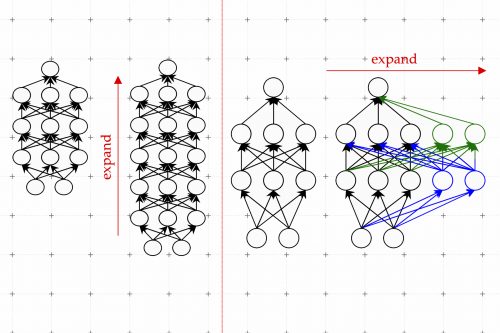
Learning to grow machine-learning models
New LiGO technique accelerates training of large machine-learning models, reducing the monetary and environmental cost of developing AI applications.
3D-printed revolving devices can sense how they are moving
A new system enables makers to incorporate sensors into gears and other rotational mechanisms with just one pass in a 3D printer.