News
Filtered By
Results
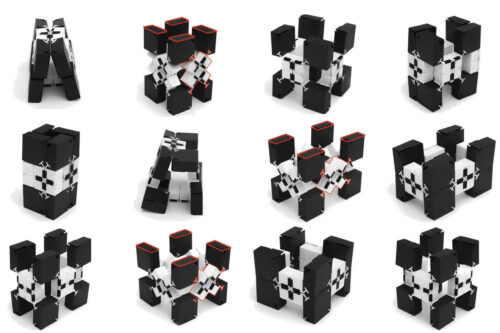
Nanoscale mechanics could enable brain-inspired computing
A new device uses reconfigurable motion to mimic the firing behavior of a neuron, which could lead to more efficient computing.

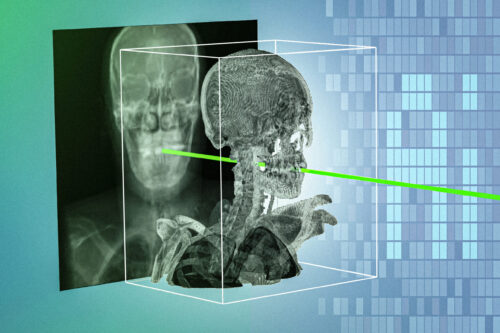
New AI technique could make minimally invasive surgeries safer and more precise
This patient-specific method, called xvr, helps doctors use X-rays for surgical navigation in fields such as orthopedics and neurosurgery.
New method enables AI for safety-critical situations
The “HardFlow” algorithm could help generative AI models produce high-quality outputs that obey strict requirements when “pretty close” doesn’t cut it.

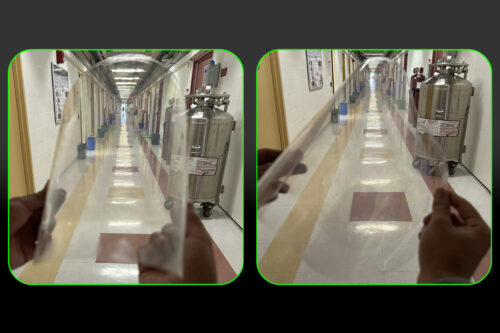
Fabrication platform could enable flexible, transparent next-generation photonic chips
This scalable process produces high-performance chips for applications like discreet wearables or pliable augmented-reality displays.
New qubit architecture enables faster, more accurate operations
This advance could be a big step toward developing a scalable, practical quantum computer.

System helps humans predict when self-driving cars will make mistakes
A new method, called CW-Net, translates the reasoning process of an autonomous vehicle’s AI system into understandable concepts that explain its behavior.

Atlas of the brain’s striatum could guide researchers to new drug treatments
A new study reveals insights into populations of neurons affected by Huntington’s disease, schizophrenia, addiction, and other disorders.

How an MIT research project became a global programming language
With millions of users across the world, Julia has been used to conduct cutting-edge research and to design new drugs, jet engines, heat pumps, and more.

New type of attack can slip past the defenses in your computer’s processor
MIT CSAIL researchers found a way to exploit a split-second gap in chip security — and used it to acquire a Linux system’s password file.

MIT engineers create a system for building shape-changing smart devices
Dubbed “bifur-circuits,” these interactive building blocks could be used to develop reconfigurable robotic grippers or customized assistive devices.