News
Filtered By
Results
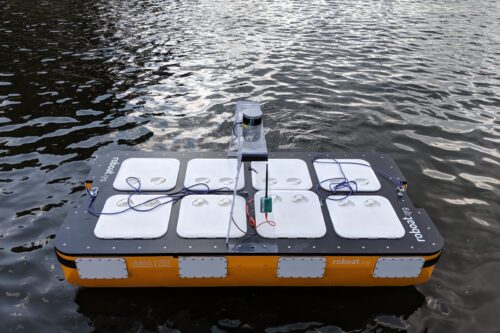
Autonomous boats could be your next ride
Five years in the making, MIT’s autonomous floating vessels get a size upgrade and learn a new way to communicate aboard the waters.
The real promise of synthetic data
MIT researchers release the Synthetic Data Vault, a set of open-source tools meant to expand data access without compromising privacy.

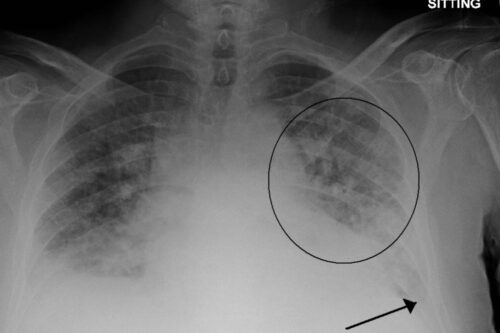
Anticipating heart failure with machine learning
Many health issues are tied to excess fluid in the lungs. A new algorithm can detect the severity by looking at a single X-ray.
MIT undergraduates pursue research opportunities through the pandemic
Working remotely this summer, students worked to better understand human intelligence and to advance machine learning applications.

Evaluating battery revenues for offshore wind farms using advanced modeling
MIT researchers reveal inadequacies in current battery models.

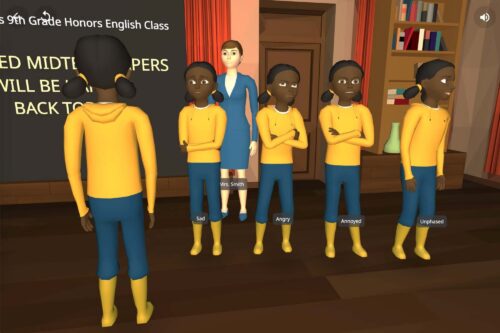
Examining racial attitudes in virtual spaces through gaming
Computational model developed at MIT builds off of 2019 research examining colorblind racial attitudes through a video game.
Monitoring sleep positions for a healthy rest
Wireless device captures sleep data without using cameras or body sensors; could aid patients with Parkinson’s disease, epilepsy, or bedsores.

Anti-racism in technology and policy design
Media Lab researcher Kate Turner explores how critical race theory can influence science — and how science can inform policy — as an IDSS Research to Policy Engagement Initiative Fellow.

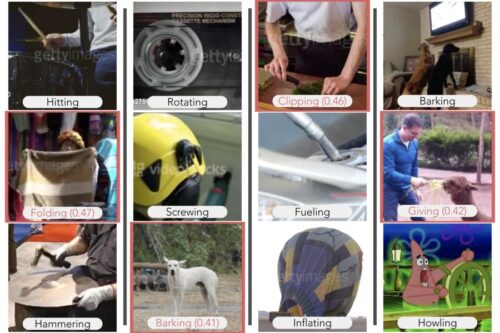
Toward a machine learning model that can reason about everyday actions
Researchers train a model to reach human-level performance at recognizing abstract concepts in video.
Rewriting the rules of machine-generated art
An artificial intelligence tool lets users edit generative adversarial network models with simple copy-and-paste commands.