News
Filtered By
Results
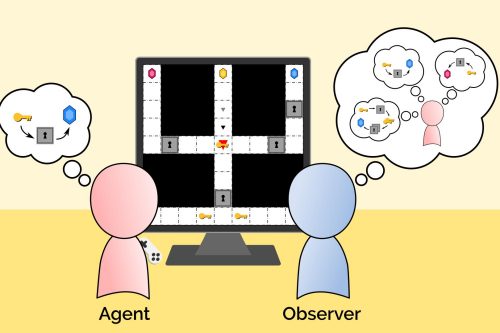
Building machines that better understand human goals
A new algorithm capable of inferring goals and plans could help machines better adapt to the imperfect nature of human planning.
Automating material-matching for movies and video games
Animators spend hours adding textures to objects. A new machine-learning system simplifies the process.

Better learning with shape-shifting objects
MIT study shows the power of adaptive training tools, like a basketball hoop that shrinks and raises as you make shots.
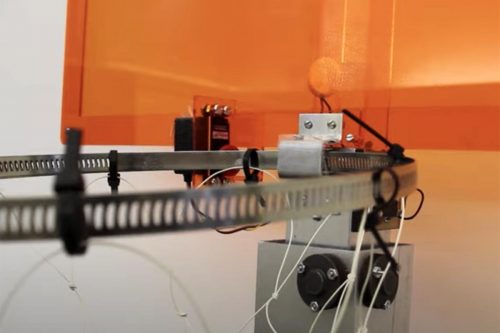
Neuroscientists find a way to make object-recognition models perform better
Adding a module that mimics part of the brain can prevent common errors made by computer vision models.

This 3D printer doesn’t gloss over the details
A new system enables realistic variations in glossiness across a 3D-printed surface. The advance could aid fine art reproduction and the design of prosthetics.

Shrinking massive neural networks used to model language
A new approach could lower computing costs and increase accessibility to state-of-the-art natural language processing.

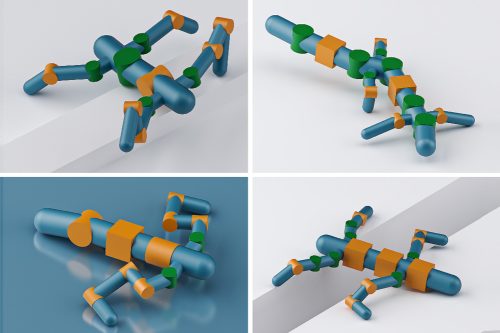
Computer-aided creativity in robot design
MIT researchers’ new system optimizes the shape of robots for traversing various terrain types.
Center to advance predictive simulation research established at MIT Schwarzman College of Computing
MIT is among nine universities selected as part of a program sponsored by the DoE to support science-based modeling and simulation and exascale computing technologies.

A neural network learns when it should not be trusted
A faster way to estimate uncertainty in AI-assisted decision-making could lead to safer outcomes.

Study identifies reasons for soaring nuclear plant cost overruns in the U.S.
Analysis points to ways engineering strategies could be reimagined to minimize delays and other unanticipated expenses.