News
Results
Thinking like a cyber-attacker to protect user data
Researchers found that an understudied component of computer processors is susceptible to attacks from malicious agents. Then, they developed mitigation mechanisms.

New programmable materials can sense their own movements
Engineers 3D print materials with networks of sensors directly incorporated.

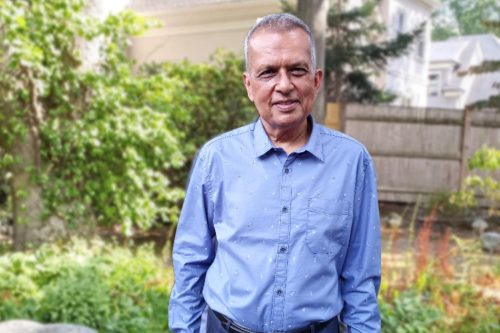
3 Questions: Amar Gupta on an integrated approach to enhanced health-care delivery
The MIT researcher and former professor discusses how Covid-19 and the influx of virtual technologies created a new medical ecosystem that needs more synchronized oversight.
Caspar Hare, Georgia Perakis named associate deans of Social and Ethical Responsibilities of Computing
The faculty members will work together to advance the cross-cutting initiative of the MIT Schwarzman College of Computing.

Researchers discover major roadblock in alleviating network congestion
Algorithms designed to ensure multiple users share a network fairly can’t prevent some users from hogging all the bandwidth.

Researchers create the first artificial vision system for both land and water
Inspired by a fiddler crab eye, scientists developed an amphibious artificial vision system with a panoramic visual field.
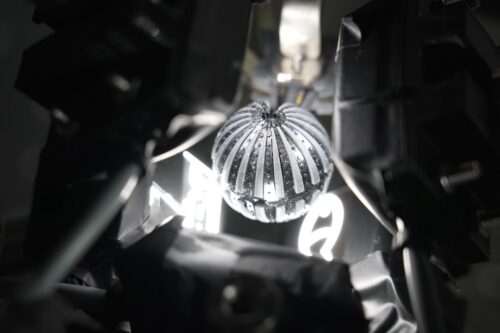
Using artificial intelligence to control digital manufacturing
Researchers train a machine-learning model to monitor and adjust the 3D printing process to correct errors in real-time.
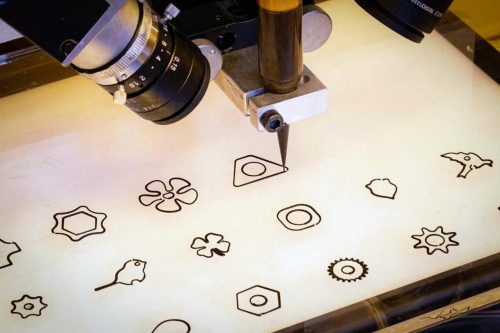
New hardware offers faster computation for artificial intelligence, with much less energy
Engineers working on “analog deep learning” have found a way to propel protons through solids at unprecedented speeds.

Q&A: Warehouse robots that feel by sight
Neuroscience professor and Science Hub investigator Ted Adelson explains how simulating the sense of touch with a camera can make robots smarter.

Explained: How to tell if artificial intelligence is working the way we want it to
“Interpretability methods” seek to shed light on how machine-learning models make predictions, but researchers say to proceed with caution.